What we do
The work between a good idea and a shipped pallet
Three services, usually in this order. Most clients stop after the second because the answer turns out to be simpler than they feared.
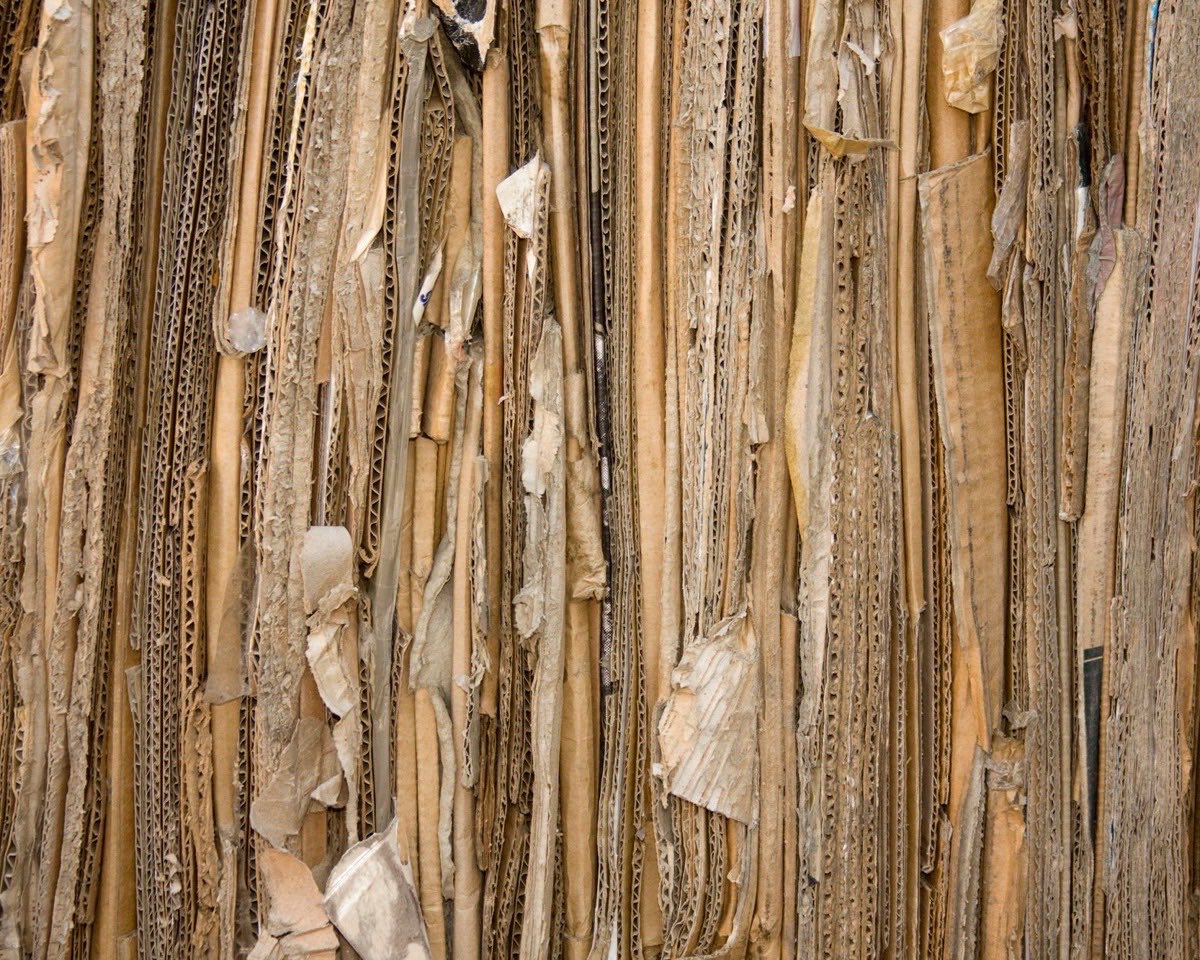
Material assessment
We take your current packaging and the candidates you are considering, and test them against your real distribution conditions — the route, the season, the handling. You get a ranked shortlist and the failure modes of everything that did not make it, which is usually the more useful half.

Supply chain mapping
A material that only one mill in Europe makes is a risk, not a solution. We map who can supply at your volume, what their real lead times are, and what your position looks like if one of them exits the market.
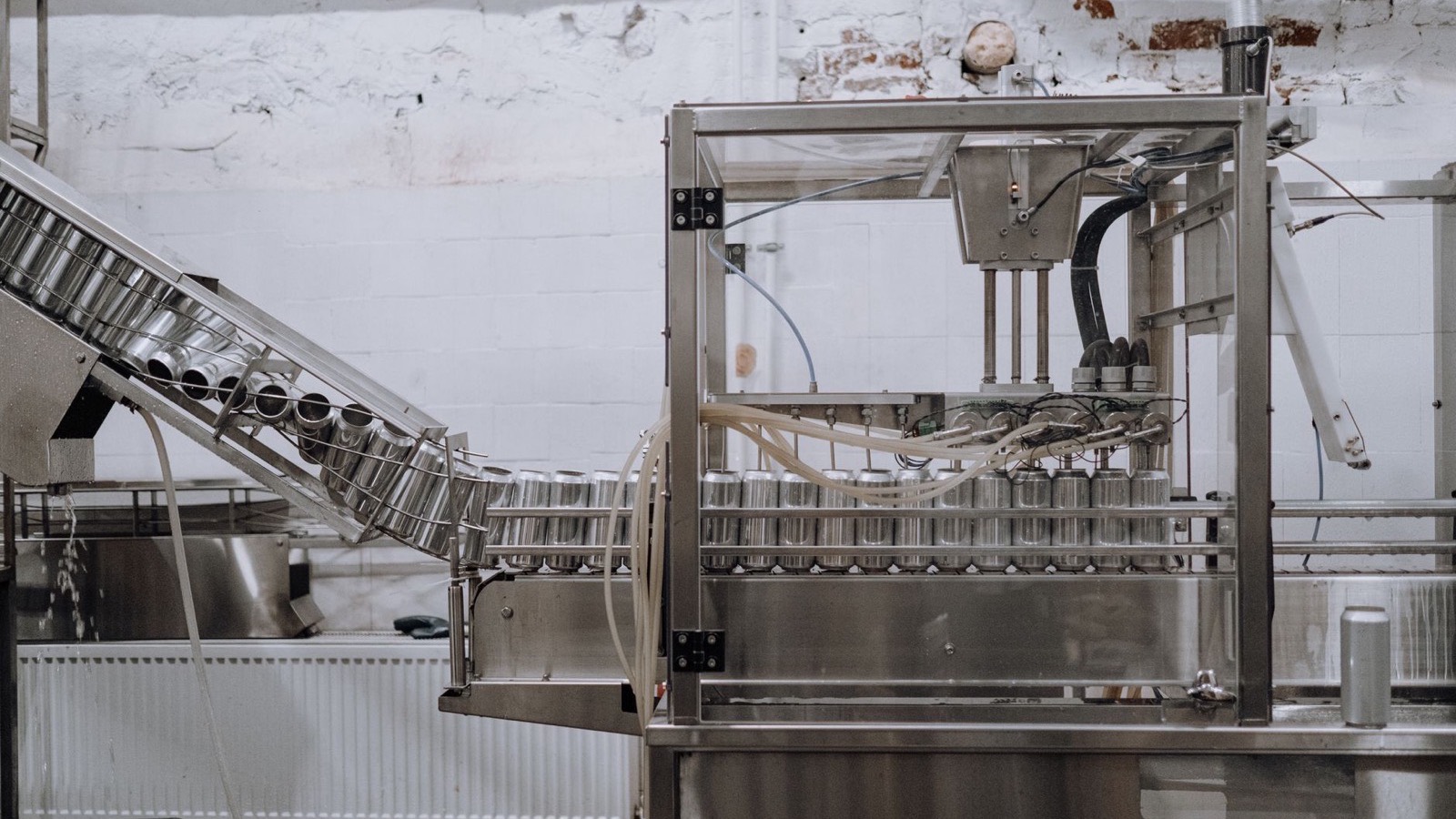
Line trials
Most substitutions fail mechanically rather than materially — the film tracks badly, the tray jams the denester, the seal needs four degrees more than the line can hold. We run trials on your equipment and report what needs changing before you commit.
Before a line trial
Will the trial stop our production?
Rarely for long. We plan runs around your changeovers or a quiet shift, and most trials need a few hours of line time rather than days.
What do we need to provide?
Access to the line, an operator who knows it, and an engineer for the debrief. We bring the trial material, the test plan and the people to record what happens.
What if the new material fails?
Then the trial has done its job before you committed to a full order. You get the reason it failed and what would need to change, whether that is the material, the machine settings or the supplier.
Questions we are asked first
Do you sell materials?
No. We take no commission from suppliers and hold no exclusive agreements, which is why we can tell you when your current packaging is already the right answer.
How long does an assessment take?
Four to six weeks for a single format, most of which is waiting on conditioning and transit testing rather than analysis.
Can you work with our existing supplier?
Usually, and often that is the cheapest route. Changing material with a supplier who already knows your line beats changing both at once.
What do we get at the end?
A ranked shortlist with test data, a supplier map with lead times and risks, and a line-change list costed with your engineering team.